In the struggle to rebuild Appalachia, survival depends on more than just a good weapon; it hinges on a dynamic, player-driven network of exchange. Beyond the game's robotic vendors lies a sophisticated shadow economy, a complex web of trade, barter, and social negotiation that operates on shared values and unspoken trust. This player economy is not a side feature but a core pillar of the social experience, transforming scavenged junk and hard-earned plans into a currency that fosters community and connection.
The foundation of this economy is built on scarcity and specialization. Rare plans for powerful weapons or coveted camp decorations, elusive legendary weapons with perfect effects, and even bulk shipments of essential junk like screws or aluminum hold significant value. Unlike a centralized auction house, trade happens directly between players, through vending machines at their camps or face-to-face using the game's trade interface. This personal touch is crucial. Browsing a player's vending machine is like perusing their curated museum of accomplishments; their pricing tells a story of what they value and their understanding of the market.
This system has spawned its own unique culture and etiquette. Caps, the official bottle-cap currency, are used for everyday purchases, but high-value trades often involve barter. Trust becomes the essential commodity. Multi-item trades for a single perfect weapon require both parties to offer their items in a simultaneous leap of faith, enforced by honor. Communities on external forums serve as bustling marketplaces where reputations are built. A player known for fair deals becomes a trusted node in the network. Price gouging on essential items or backing out of an agreed trade is seen as a serious breach of the community's informal code.
Perhaps the most remarkable aspect is the economy of generosity that runs parallel to the high-stakes barter. It is common for veteran players to seek out newcomers and drop care packages of supplies—stimpaks, water, and even low-level legendary gear—without expecting anything in return. This "Vault Dweller's Welcome" is an investment in the community's health. Player-run "freebie" camps, where everything costs a single cap, are not uncommon. These acts are transactional in a social sense, paying forward past kindness and enriching the shared world, a form of economic activity that values goodwill over pure gain.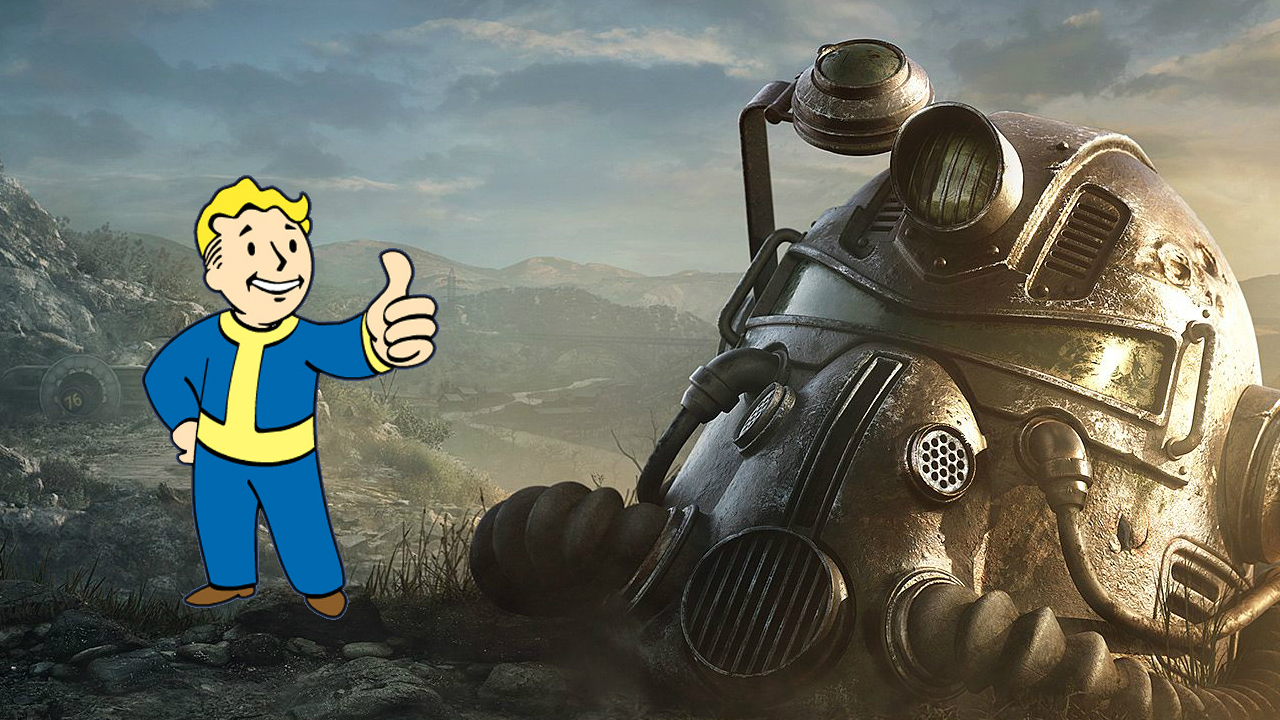
The player economy in buy Fallout 76 Items
is a self-regulating ecosystem that mirrors the game's themes of rebuilding. It proves that even after an apocalypse, humans will instinctively create systems of value and exchange. This economy does more than distribute digital goods; it forges relationships, establishes social norms, and gives tangible purpose to the endless hunt for loot. Every crafted weapon, every discovered plan, and every spare piece of steel becomes more than an item; it becomes a potential offering, a token of trade, or a gift that strengthens the fragile bonds holding Appalachia's society together. In this world, commerce is the literal currency of camaraderie.