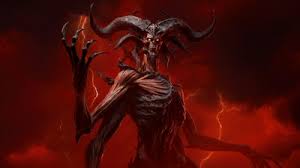
In the dark fantasy landscape of modern action role-playing games, Diablo 4 stands as a deliberate step toward atmosphere, weight, and consequence. Rather than celebrating unchecked heroism, the game immerses players in a world where suffering is common and hope is fragile. Sanctuary is not a place waiting to be saved easily; it is a land shaped by fear, desperation, and the lingering influence of evil.
The world design plays a crucial role in delivering this tone. Sanctuary is vast and interconnected, yet it rarely feels open or safe. Snow-covered plains, ruined villages, and corrupted wildernesses all communicate decay without relying on excessive exposition. Every location feels lived in, marked by loss and struggle. Exploration is encouraged, but it always comes with tension. Venturing into the unknown carries risk, making each discovery feel earned rather than guaranteed.
Combat reinforces this grounded approach. Battles are deliberate and impactful, requiring players to pay attention to positioning, enemy behavior, and resource management. Enemies are aggressive and punishing, especially in groups, forcing players to adapt rather than repeat the same actions. Boss encounters stand out as moments of true challenge, demanding patience and learning instead of raw damage. Victory feels meaningful because defeat is always a real possibility.
Character progression emphasizes commitment and identity. Skill trees allow deep customization, but choices matter. Rather than endlessly switching builds without consequence, players are encouraged to understand their strengths and refine them over time. Gear enhances this process by focusing on synergy. Items do more than increase numbers; they change how abilities function and how combat feels. This creates a strong connection between build decisions and moment-to-moment gameplay.
The narrative approach in Diablo 4 supports its grim world. The story focuses on human suffering, moral conflict, and the collapse of social order. Characters are flawed and often driven by fear or obsession rather than noble ideals. This makes the world feel believable despite its supernatural horrors. Evil is not presented as distant or abstract; it is personal, invasive, and deeply unsettling.
Multiplayer elements are woven naturally into the experience. Other players appear in towns and shared events, adding a sense of scale without breaking immersion. Cooperation feels practical, as if survival occasionally requires temporary alliances. These shared moments remind players that Sanctuary is not an isolated journey, but a world endured by many individuals facing the same dangers.
Endgame systems extend the core themes of challenge and mastery. High-level content tests not only gear, but understanding of mechanics and strategy. Progression slows, demanding patience and refinement. This structure rewards dedication and learning rather than quick success, keeping long-term play focused and meaningful.Diablo 4 Items
is a game about endurance. It does not promise comfort or easy triumph. Instead, it offers a harsh but compelling world where power is earned through suffering and understanding. By embracing darkness in its design, systems, and storytelling, the game delivers an experience that feels intense, immersive, and unapologetically grim—one where every victory carries weight and every step forward leaves a scar.