Time passes differently in Grow A Garden than in most games. There are no timers counting down to missed opportunities, no daily quests expiring at midnight, no seasonal events that punish absence. Yet time matters immensely. The garden exists in real time, responding to the actual calendar in ways that create a relationship between player and game that spans months and years. This temporal dimension, this calendar of digital seasons, transforms the garden from a simple collection into a living record of the player's journey through time.
The seasonal system in Grow A Garden operates on the actual calendar. Spring brings different seeds than summer. Autumn offers varieties that appear nowhere else. Winter transforms the garden's appearance, frost settling on leaves and snow covering the ground. These changes happen gradually, imperceptibly from day to day but clearly visible when comparing across weeks. The garden becomes a way of marking time, of noticing the passage of seasons in a world where climate-controlled environments have blurred the natural rhythms.
The keyword that defines this relationship is rhythm. Not schedule, not calendar, not timeline. Rhythm. The word suggests something organic, something that emerges from the interaction between game and player rather than being imposed by either. The garden has its own rhythm, shaped by the seasons, by the growth cycles of different plants, by the player's daily visits. Finding this rhythm, syncing with it, is part of the pleasure of long-term engagement.
For players who maintain their gardens across years, the accumulation becomes profound. A tree planted in the first week of play now towers over newer plantings. A flower that blooms only in spring has appeared and faded many times. The garden holds the memory of every season, every choice, every moment of attention. Looking at an established garden is like looking at a timeline, a visual record of time passing and attention given.
The limited-time varieties, when they appear, respect this temporal rhythm. A special seed available only during a particular week becomes a marker of that time. Players who acquired it remember when, remember where they were, remember the context of their lives when that seed was planted. The garden becomes a diary written in botanical form, each plant a entry in a living record of personal history.
The absence of pressure around these limited items is crucial to their meaning. Missing a seasonal variety does not create permanent disadvantage. The variety will return next year, or a similar one will appear. The game trusts that players will engage with seasons because they want to, not because they must. This trust transforms seasonal content from obligation into opportunity, from pressure into pleasure.
The visual changes across seasons reward long-term observation. The same garden looks different in summer than in winter, in spring than in autumn. Players who visit daily notice the gradual shifts. Players who return after absence see the dramatic transformation. Both experiences are valid, both offer their own pleasures. The garden accommodates all patterns of attention.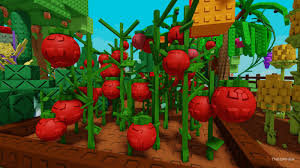
In the end, the calendar of digital seasons in Grow A Garden Sheckles
succeeds because it connects play to the real world in a gentle, meaningful way. The garden marks time without demanding it, reflects seasons without controlling them. Players who engage with this temporal dimension find their relationship with the game deepening over months and years, the garden growing alongside them, a quiet companion through the turning of the year. The seasons pass, and the garden passes with them, a constant presence in a changing world.